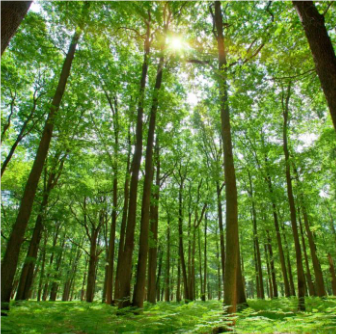
森林
The true value of a forest lies in its ability to balance ecological needs with human aspirations.

The true value of a forest cannot be measured in board feet alone.
A sustainable forest is one that supports both wildlife and livelihoods.
We must listen to indigenous knowledge—they've been the guardians of forests for centuries.
The true value of a forest isn't measured in board feet, but in biodiversity and carbon sequestration.
Technology can help us monitor forests, but it's human commitment that will save them.
Collaboration across industries is the key to solving the world's deforestation challenges.
Measuring success in aquaculture by volume alone is like judging a forest by its lumber yield.
The most sustainable forest is one that provides value to people while maintaining its ecological integrity.
Forests are not just resources; they are our planet's lungs and our best defense against climate change.
Collaboration is key—governments, businesses, and communities must work together for sustainable forests.
The best way to predict the future of our forests is to create it through responsible management.
A forest is more than a collection of trees; it's a living, breathing ecosystem that sustains life.
A managed forest is like a symphony—every tree plays its part at the right time.
When we thin forests with purpose, we're not taking away life—we're making room for more life to flourish.
Chainsaws don't destroy forests—short-term thinking does.
The true measure of a forest's worth isn't in board feet of timber, but in centuries of ecological balance.
To understand a forest, you must listen to it—not just with your ears, but with your heart.
Every decision we make today plants a seed for the forests of tomorrow.
The true value of a forest is measured not just in board feet of timber, but in the lives it sustains and the ecosystems it supports.